
A Magazine that talks about art history, architecture, and current exhibitions in Switzerland.

Crédit photo: Architecte zurichoise Lux Guyer avec ses étudiantes, vers 1940. GTA Archiv / ETH Zürich, via SRF.
Crédit photo: Architecte zurichoise Lux Guyer avec ses étudiantes, vers 1940. GTA Archiv / ETH Zürich, via SRF.
Why did I choose to write about these female architects? Is it only to highlight the work of women architects whose work remains largely unknown, or do I feel that their way of thinking about architecture allows certain questions to be examined more broadly?
This question leads to another: can we identify, in the work of female architects, a specific way of approaching space or architectural practice? In other words, are there recurring themes in the way they conceive projects, organise spaces or think about the relationship between architecture and how they are used?
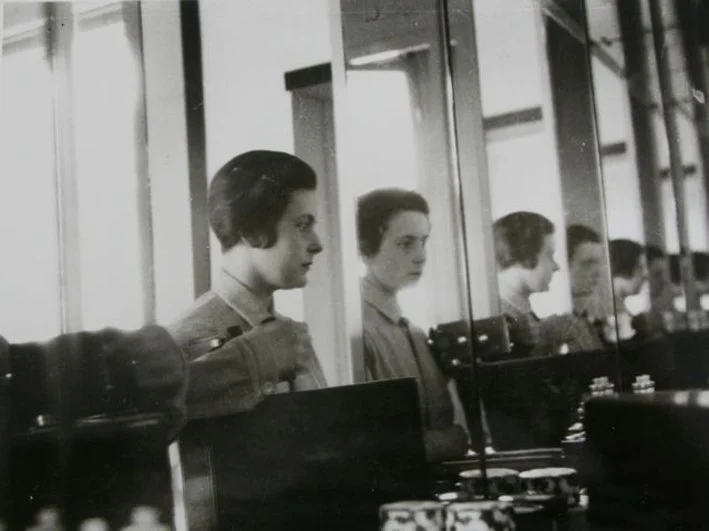
The present post has been inspired by Cooking Up Dinner Speeches. Ise Gropius in Japan, a publication by gta Verlag edited by Almut Grunewald. It is the sole substantial contribution since Mercedes Valdivieso’s research of 2019 titled “Ise Gropius: Everyone here Calls Me Frau Bauhaus”. In fact the goal of the book is stated to be to “animate the reader and researchers to discover more of Ise Gropius,” underscoring the dearth of research on this Bauhaus figure.
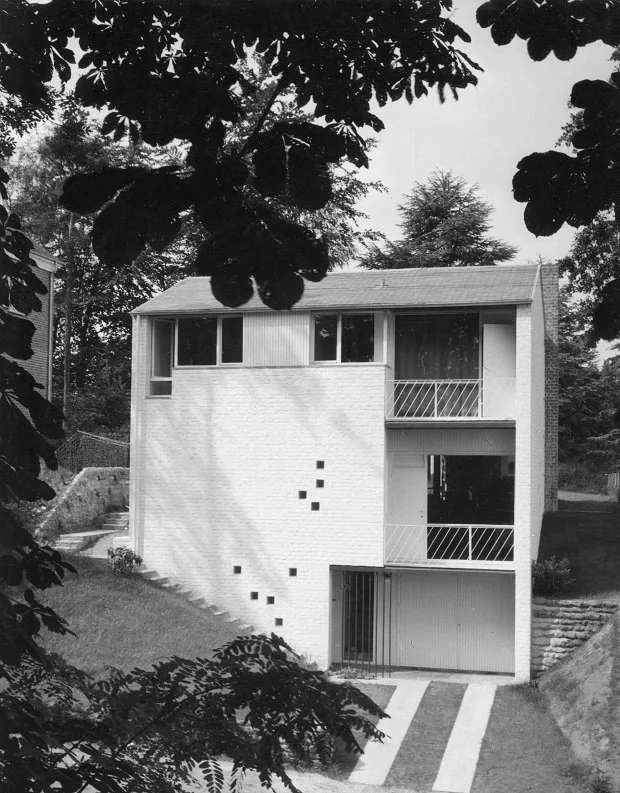
The aim of heritage regulations is to preserve architectural works considered irreplaceable. Historic buildings are valued not only for their architecture but also as material evidence of a particular time, its construction techniques, and its understanding of the city. However, this desire to preserve authenticity comes into tension with new challenges, more recently those linked to energy transition and climate change.